Jesus

Does Your Faith Have Roots? Decoding the Parable of the Sower

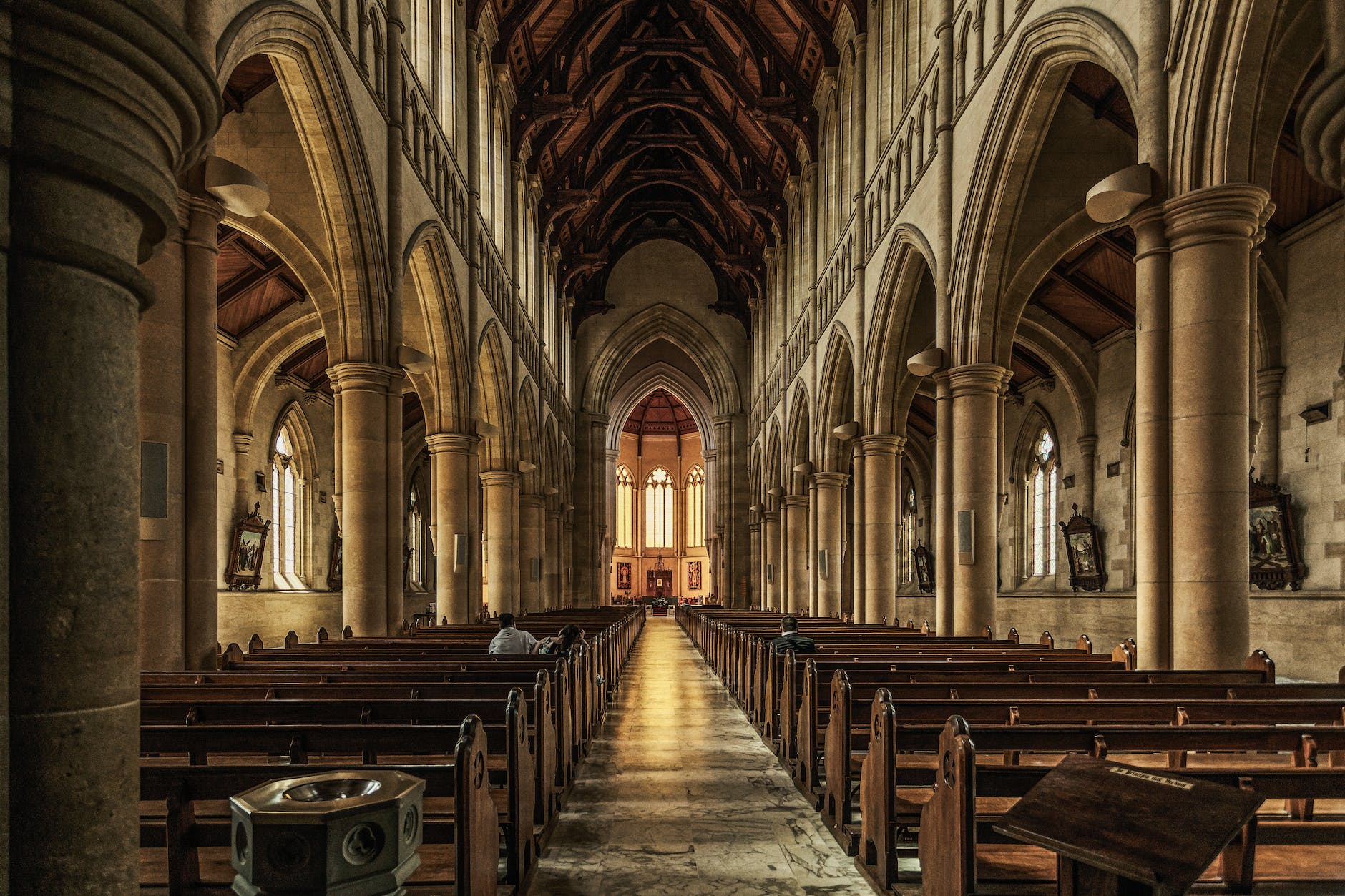
Photo by Karolina Grabowska on Pexels.com

Why do scandals rock the church? Why does Christianity seem to struggle to stay relevant? Why do church members seem so apathetic?

The state of 21st century Christianity does not surprise the Lord, Who not only foresaw it, but planned for it, and foretold it to us so that we would understand it and be able to function within it. That’s why Christ gave us the Kingdom parables in Matthew 13.

The Kingdom parables present the spread, rapid growth of, and far-reaching impact of Christianity, but they also chronicle the struggles that would accompany the growth of the faith. To paint the picture of this growth, and the growing pains that would come with it, He gave us the parables.

As with anything regarding the Christian faith, we must first begin with examining ourselves. Jesus told us in the Sermon on the Mount that before we try to remove the speck from our brother’s eye, we should first remove the beam from our own.

In 1 Corinthians 11, the Apostle Paul instructed each man to examine himself to see whether he were observing the Lord’s supper properly and for the right reasons, adding that if we judge ourselves, we should not be judged (1 Corinthians 11:28, 31).

The premise is that instead of being preoccupied with what everyone else is doing, we should be focusing on what we’re doing, and examining our own hearts and motivations. Only through that exercise can we find the sin from which we need repentance, and align ourselves with the Lord’s will.

Thus, it’s fitting that the Lord began His series of Kingdom parables with the Parable of the Sower, for the Parable of the Sower is a warning to pay attention to how we receive the Gospel, and whether we have truly allowed the Gospel to take root in our hearts.

In the Parable of the Sower, as recorded in Matthew 13, Jesus told of a man who went forth to sow seed in his field. As he sowed, some of the seed fell by the wayside, and the birds (fowl of the air) came and devoured them up. Some fell on stony places, and sprung up quickly, but withered when the sun came up because they had no root.

Some fell among thorns, which choked the seed out before it could grow. Still, others fell on the good ground, spring up, grew, and bore fruit.

The trick to understanding this parable, and all parables, is to understand the imagery, and where we fit in the story. In Matthew 13, Mark 4 and Luke 8, Jesus gives us the key to interpret the Parable of the Sower. For a full look at the Kingdom Parable Decoder Ring, click here.

In interpreting this parable, Jesus tells us that the sower is the Son of Man. The seed is the word of God (the Gospel). The field is the world. And by necessary inference, we understand that the different types of ground are the different people who hear the Gospel.

The seed sown by the wayside that is devoured by the birds is the seed that is intercepted by Satan’s messengers. As we will learn in the Parable of the Mustard Seed, where the Gospel is being spread, Satan will send his messengers to disrupt things. That’s also a lesson learned from the Parable of the Wheat and the Tares.

Basically, the seed (the word, the Gospel) is sown, but before the hearers can let it take root, Satan (the birds) steals it away so that it doesn’t convert the soul.

The seed sown on the stony ground are those who gladly receive the Gospel, and show a great amount of enthusiasm early after professing faith, but they never allow the faith to truly take root in their heart. They possess a surface-level faith only, and it never really attains any depth in their heart.

The rising of the sun in this parable symbolizes trial, tribulation and persecution that arise as part of the Christian life, and when that happens, the surface-level believer withers, because he lacks the deep-rooted faith needed to endure.

The seed sown among the thorns are those who hear the word, but are so preoccupied with the cares of the world, that the Gospel never takes root in their lives. These are those that are too busy, have other priorities, and seem to always be overwhelmed with responsibility. Because of their busyness, they miss out on the Gospel.

But when the seed is sown on the good ground, the ground that is prepared to receive the Gospel, it bears fruit. These are people who have opened their hearts to the Gospel, are ready to receive it, and allow it to take root in their hearts and their lives. These are the ones who have a great impact on the Kingdom.

In demonstrating the results of the sowing, Jesus has warned us to look within ourselves to see if we have allowed the Gospel to take root. Have we truly listened to it? Have we truly believed in it?

As He explains in His parables, there’s nothing wrong with the seed. The same seed that produced nothing among the stones or the thorns is the same seed that produced much fruit in the good ground. The issue isn’t with the seed, it’s with the soil.

Likewise, there’s nothing wrong with the Gospel. The Gospel is the power of God unto salvation, and it has the power to convert the soul. The effectiveness of the Gospel has more to do with the hearer than it does with the message itself.

Furthermore, we find that the sower sowed the seed throughout the field, to the good ground and to the bad. He sowed the seed indiscriminately.

Likewise, Christ sowed the Gospel to everyone, to those who would hear, and those who would not. He sowed it to the believer and the one who would not believe. He spread the Gospel indiscriminately.

With that, we understand that the responsibility for how we receive the Gospel falls completely upon us, and if we leave this world without having believed the Gospel, then we “are without excuse” (Romans 1).

Therefore, before we examine the big picture surrounding the Christian faith, we must first examine the small one of our hearts. We must begin with a self-assessment. This is what Christ was teaching us in the Parable of the Sower.

So, before we continue further into our studies into the Kingdom Parables, ask yourself….

“When and How did I hear the Word?”

“How did I receive it?”

“Have I allowed the Gospel to take root in my life?”

Or, as Peter wrote, we need to make our “calling and election sure.”

So, heed the Lord’s warning. Assess your Spirituality. Believe the Gospel and let it take root. And watch how the Lord works wonders in your life.

Decoding the Kingdom Parables

Photo by Pixabay on Pexels.com

Never underestimate the power of storytelling. Through storytelling, theological truths and basic precepts become richer, and are more thoroughly understood by the human mind.

Which is one reason the Lord Himself used the power of story as He taught the disciples.

The Kingdom Parables in Matthew 13 were taught to the disciples so that they could understand the mysteries of the Kingdom. Those mysteries involved the future of the Kingdom, and the impact that Christianity would have on the world, as well as the challenges that lie ahead.

Nothing catches the Lord by surprise, and everything happening in the world today is not only being leveraged in His divine plan, but it was foretold to us by the Lord Himself 2,000 years ago.

From the infiltration of sin and apathy in local churches, to scandals involving high profile pastors, to conflict and division among Christians, all was foreseen, and all was foretold by the Lord. Furthermore, the Lord told us through the Kingdom Parables what our response should be.

In understanding these parables, we will understand the trajectory of the Christian faith, and the future of the churches. However, to understand these parables, we must know how to properly interpret them. To properly interpret them, we need the Lord’s special decoder ring, which He gave us in the first parable, the Parable of the Sower.

In the Parable of the Sower (Matthew 13:1-9), Jesus tells the story of a man who sowed seed in his field. Some of the seed fell by the wayside and were gobbled up by the fowl of the air. Some fell on stony places and dried up for lack of roots, some fell among thorns and were choked out, and some fell on good ground and sprang up, bearing fruit.

When the disciples asked why He was speaking in parables, He asked them, “Do you not understand this parable? How then will you understand all parables?” (Mark 4:13)

In asking that question, Jesus essentially declared that understanding the Parable of the Sower was the key to understanding all parables. This means that the symbolism used in the Parable of the Sower carries over into all the other Kingdom parables.

Jesus then told His disciples what everything symbolized.

The man (the sower) represents the Son of Man, Jesus Christ (Matthew 13:37).

The seed (also referred to as the good seed) is the word of God, the Gospel (Luke 8:11).

The field is the world (Matthew 13:38).

The fowl of the air (birds) are the wicked one, demons, or evil spirits (Matthew 13:19).

The thorns are the cares of the world (Matthew 13:22).

Not specifically mentioned in the Parable of the Sower, but consistent throughout all scripture, is that the leaven represents sin. That is why the Passover and the Lord’s Supper were both celebrated with unleavened bread, because the bread symbolized the body of Christ, and Christ was sinless. Furthermore, the Jews were required to sweep all leaven out of their house at the start of Passover.

There are other symbols used in the Parable of the Sower, but these will resurface in the other Kingdom Parables. Using these symbols, and this interpretation, we will seek to gain an understanding of the current state of Christianity through the Lord’s teaching in the days ahead. In the meantime, read the parables of Matthew 13 using these keys to interpretation, and comment below what you think these parables are teaching us today.

Jesus Said Goodbye (John 17:11-13)

What if today were your last day on earth?

What if you knew, without doubt, that this was your last day to live. How would you spend your time? How would you live? How would you feel?

As Jesus prayed the High Priestly Prayer of John 17, He knew He was in His final hours. In a short amount of time, He and the disciples would retire to the garden on the Mount of Olives, and He would be arrested, stand trial, and be executed by crucifixion.

For our Lord, this death would actually accomplish His divine plan. Through His betrayal and death, Christ would bear the wrath of God for man’s sin, clear us of our guilt, and rise again, conquering death and winning us eternal life.

You see, God is the master conductor, who can make the symphony sound magnificent regardless of whether the members follow the sheet music. If the woodwinds get off tune, God can adjust the brass section to off-set their error and keep the symphony sounding amazing. If the brass lose time, God can adjust the percussion section.

Photo by Nork Photography on Pexels.com

Moreover, when man rebels against God, God not only corrects the sin and redeems man from the condemnation and destruction that follows, but He also has a way of using man’s misdeeds to further His cause. That’s one reason why Romans 8:28 says that “all things work together for good to them who love God, to them who are the called according to His purpose.”

So there Jesus is, in the upper room, with His disciples, having just observed the Passover and the first Communion, praying for them, as He prepared to go to the cross to redeem man from sin.

In His prayer, the Lord mentions that He will be leaving the world and going to the Father, so He prays that the Father will keep the disciples by His name, so that they will be one as Christ and the Father are one.

Jesus prayed that God would keep the disciples through His name. In this, we learn that we are not only saved by the authority of God, we are kept by the authority of God. Therefore, there is no danger of us losing our salvation.

Then, Christ prayed that we would be unified. That unity comes under God’s authority, and it comes from the Gospel. For a more in-depth look at John 17:11-13, see our pastor’s message posted above.

You Best Believe in Love Stories, Because You’re in One.

What was the happiest moment in human history?

The most glorious, victorious moment would be when Christ paid for our sins on the cross and then rose from the grave, conquering death.

But, what was the happiest moment in history?

To answer that question, what is your happiest memory, excluding your salvation?

Ask this question to the general public, and you will find that most people’s happiest memories involve their families and loved ones. Such memories involve weddings, the birth of children, family reunions, Christmas celebrations with the family, or just the memory of how you used to spend time together.

Our best memories involve the ones we love, and those times are often the happiest times of our lives.

With that in mind, what was the happiest memory from human history?

Genesis 2:15-20 records how God spent personal time with Adam, having placed him in the Garden of Eden to keep and dress it, and creating animals for Adam to name. Genesis 3:8 records how Adam and Eve heard the voice of the LORD walking in the garden in the cool of the day, which gives you the idea that those walks were common, if not daily.

Reading between the lines of Genesis 2-3, you get the idea that life was good. God and man dwelt together, spent time together, created things together, and even dreamed together. Before the fall of man, there was no sin in the world, no illness, no problems. Life was just good.

For us, this sounds like a dream! Obviously, this was the happiest time in human history. However, when it comes to the happiest time in God’s memory, this would also be it.

God created man for that fellowship, a fellowship that came from a gratitude and a recognition of God’s blessing, but by man’s choice (hence the tree in the garden).

When man sinned in the garden, that fellowship was broken, death entered in, and the problem filled life we know today emerged. God was no longer physically present, and could no longer dwell among His people. Paradise truly was lost.

However, God loved us so much that He refused to let the story end there. Though man ended the relationship by taking a tangible step to remove God from his life, God undertook a centuries-long project to reconcile with man, and to redeem His creation so that He could once again dwell with His people.

It’s God’s desire to live with His people that motivated Him to order the construction of the Old Testament Tabernacle. Situated in the middle of the camp of the Israelites as they lived in the wilderness in Exodus-Deuteronomy, God’s presence filled the tent, and thus He literally dwelt in the midst of His people.

When the Lord became flesh and dwelt among us (John 1:14), God once again was able to dwell among His people, this time in a more personal sense than when He dwelt in the Tabernacle.

In the four Gospels (Matthew, Mark, Luke and John), we see the Lord’s love for His disciples, His compassion for people, and His frustration at the impact their lostness had on them. In John 17, we find Jesus in prayer in the hours prior to His crucifixion. In that prayer, we can see the heartbreak He experienced, not over His own death, but His pending separation from His disciples.

Having only lived His biggest dream for a few years, the Lord was about to undertake the redemption of all mankind so that He can once again live with us.

Once our redemption was completed on the cross, Jesus continued to advocate for us in Heaven. To this day, that advocacy continues, along with His ministry to us through the Holy Spirit, and His reaching out to us with the Gospel through His ministers on this earth.

All of this is building to the day when the Lord will return, and we will be reunited with Him forever, and that day will come when the last man on earth to accept the Gospel does so.

God’s love for us is so profound, that He sacrificed Himself, giving His only begotten Son for us, so that we can be reunited with Him upon our belief. There is no higher love than that.

And the center of this love story is our Lord, but the object of that love us you… so you best believe in love stories, you’re in one.

What Repentance Really Means

Facing death is an indescribable experience. We all know we are going to die, but we don’t know when, where, or how. There’s a moment of intensity you experience when all of those questions are answered.

Such was the case for the woman taken in the act of adultery in John 8. Here, she’s been thrown to the ground in front of Jesus, with a small mob of Pharisees accusing her of adultery and quoting Old Testament scripture in calling for her to be stoned to death.

The whole thing was a set-up to discredit Jesus and cause Him to lose followers. They intended on derailing His ministry altogether, but when you fight against the Lord, you lose every time.

John 8 records that Jesus wrote in the dirt, then told them that the one among them who had no sin could cast the first stone. Realizing their own hypocrisy, or maybe in an exercise in hypocrisy at its finest, they left.

Jesus then turned to the woman and said, “Where are your accusers, does no man condemn you?”

“None, my Lord,” she replied.

“Neither do I condemn you. Go, and sin no more.”

As teachers of grace, we often harp on the first part of our Lord’s pardon of the woman, “Neither do I condemn you.” However, the latter part is just as important, “Go, and sin no more.”

However, is it possible to go through life without sinning? Romans 7 teaches us that it is not.

So, did Jesus tell the woman to do the impossible? He did not.

Going back to the original language, Jesus was telling her to leave the lifestyle of sin. And in that, He painted us a perfect picture of repentance.

Repentance does not mean you live the rest of your life perfectly. It does not mean that you go back and make everything right with everyone you’ve ever sinned against. Repentance is more than simple sorrow or regret over sin. The act of repentance carries with it the notion that we are leaving our sinful ways behind.

Jesus instructed the woman to leave her adulterous lifestyle behind. Likewise, scripture commands the drug addict to leave the dealer and the user-buddies behind. The porn-addict is to step away from his computer, and the prideful man is to step away from the spotlight.

In the late 1980s, there was a church in the Dallas area that ministered primarily to Hippies and Rock and Rollers. This church routinely went into the nightclub district to find those who were being swallowed up by the darkness of sin. When they found someone ready to turn their life around and trust the Lord for salvation, they not only congratulated them on their profession of faith with a church invite, they took concrete steps to help that sinner leave the lifestyle they were caught up in.

Drug addicts were found homes away from their influencers. Prostitutes were rescued from their pimps. Homeless people were given food and shelter. They were all given the tools and opportunities they needed to leave the sinful lifestyle. That church didn’t merely preach repentance, they led you to it.

So, with all this in mind, let’s do a little self-assessment. Have we left our sinful lifestyle, habits, choices, and the tools that fuel them behind? Or do we keep them in a side-pocket in case we need them? Have you truly repented?

Why the fruit was a big deal, and why the tree was even in the garden

As creation and Christianity are debated between believers and skeptics, two questions often arise. The first is why God put the tree of knowledge of good and evil in the garden, and the second is why eating of that tree carried the death penalty.

In the below-posted video, Pastor Leland Acker makes the point that to fully give Adam and Eve life, they had to have the choice, the free-will to decide whether to follow God or reject Him.

When God formed man from the dust of the ground, and man became a living soul, man was gifted with the highest form of life. Far beyond existing, man was given self-awareness, consciousness, the ability to reason, to create, to problem-solve, to dream, and to cultivate. God, having created man in His image, bestowed upon man many of His own divine attributes.

Creating man to be a living soul, God wanted him to have the fulness of life. In order for man to be able to reason, create, solve and dream, man would also have to be given the choice of whether to trust and obey the Lord. God so wanted us to have the fulness of life, God gave us the choice.

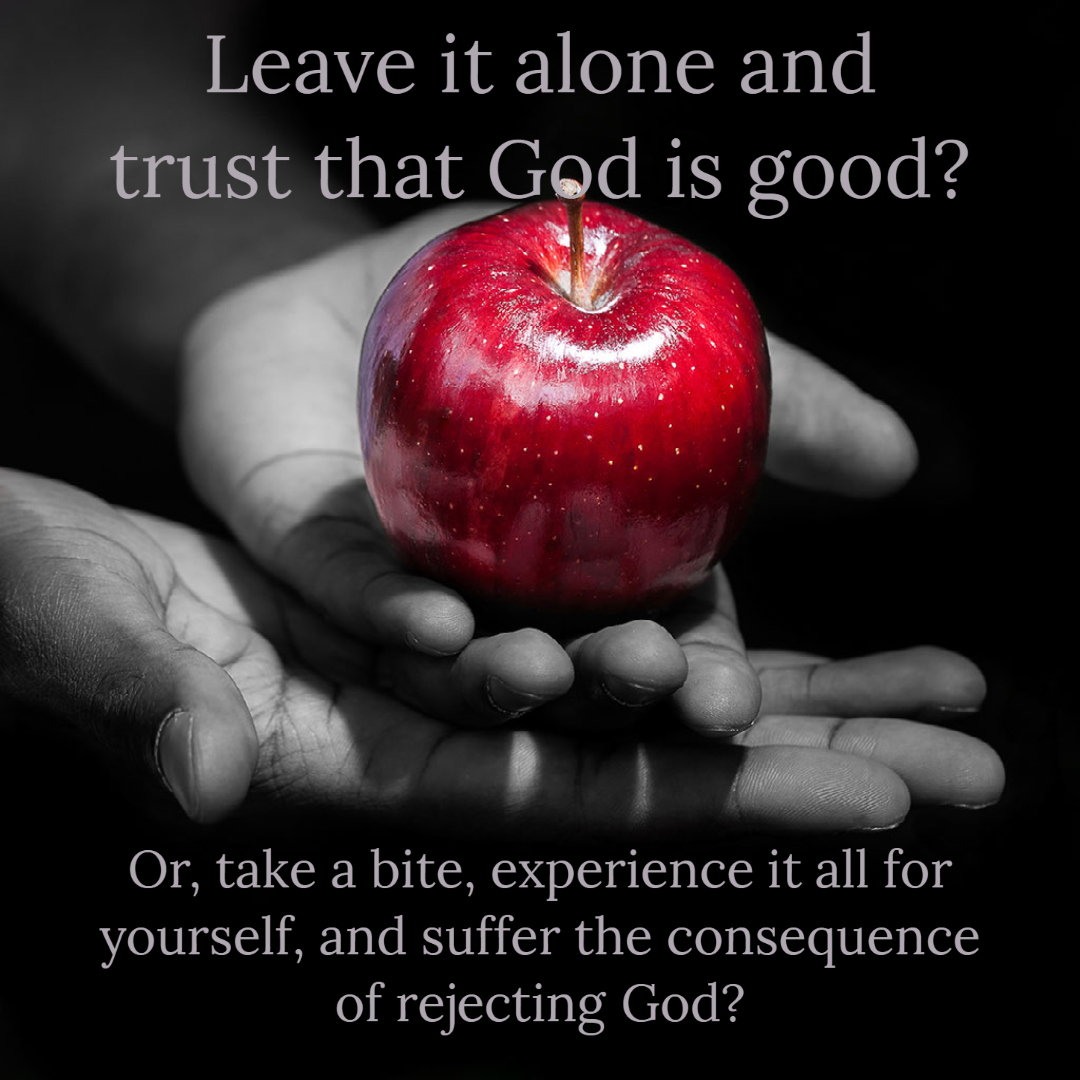
So, to create the opportunity for that choice, God placed the tree of knowledge of good and evil in the midst of the garden of Eden. While one may wonder why knowledge would be a bad thing, keep in mind that this knowledge is an experiential knowledge. By eating the fruit, man would not be suddenly indwelt with endless information, rather he would come to learn good and evil by experiencing both. This knowledge would be gained apart from God, without His help and leadership.

Pursuing knowledge in this way would amount to a complete rejection of God.

So, man had a choice. Trust that God is good and live forever in His presence, or doubt God’s goodness, overthrow His presence in man’s life, and strike out on his own. The former carried with it the promise of eternal blessing. The latter carried a risk of death and eternal judgment.

The serpent (a.k.a. Satan) tempted Adam and Eve with just that. In his speech to Eve in Genesis 3, Satan said, “You will not die. For God knows that in the day that you eat thereof, you will be as gods, knowing good and evil.”

Genesis 3:6 records the logic Adam and Eve used when deciding to eat the fruit. It says, “And when the woman saw that the tree was good for food, and that it was pleasant to the eyes, and a tree to be desired to make one wise, she took of the fruit thereof, and did eat, and gave also unto her husband with her; and he did eat.”

The logic was, “It’s good to eat, it looks good, and it will make us wise (as gods.)” They ate so they could experience the pleasures of everything, take power over their own lives, and eject God from the life that He gave them.

This was not a simple mistake or a poor food choice. It was an all-out rebellion against God. They cut themselves off from God, Who gave them life.

And when you cut yourself off from the source of life, you die.

This would be a good time to pause and reflect. God said, “In the day that you eat of this fruit, you will surely die.”

Satan said, “In the day that you eat this fruit, you will be as gods.”

The question arises, “Where are Adam and Eve today?” Based on the answer to that question, who was telling the truth, God? Or Satan?

If you’ve ever attended a funeral, you know the answer to that question. There is good news, however. In the same chapter, God offered a way of redemption. By promising that the seed of the woman would crush the head of the serpent, while suffering a death-blow Himself, God promised a savior, a redeemer, who would come and save His people from the death that comes as a result of sin.

That Savior was Jesus Christ, who both defeated Satan and suffered death upon the cross, and obtained final victory through the resurrection. Belief in this brings salvation and eternal life, and wins God’s favor.

The result of that salvation is being welcomed into His eternal Kingdom, where God will have restored life to what He intended on it being in the Garden.

So, with all that in mind, trust that God is good. Trust in Him, and place your faith in the death Jesus died on the cross for your forgiveness of sin. Then leave that sinful lifestyle behind and follow Him.

Safe and Sound (John 17:9-10)

Do we truly realize what our Lord Jesus Christ has done for us?

Our Lord gave us life. Scripture teaches that Christ was the Word which was in the beginning with God, and was God. That all things (ourselves included) were created by Him, and without Him nothing was made that was made.

In Him was life, and the life was the light of men.

The Lord created man and gave him life, so that he became a living soul. Our consciousness, creativity, dreams, and problem-solving ability are all effects of this life that the Lord gave us.

And when man rebelled against God, not only through disobedience, but through an attempt to overthrow God’s power and authority through that disobedience, the Lord redeemed us from the death and condemnation that came as a result.

To do that, He became man, lived the life of a man, endured the same trials and tribulations we do on a daily basis, yet He did so without sin (Hebrews 4:15-16).

Scripture says He came into His own, and we didn’t receive Him, nor did we recognize Him. In fact, we rejected and betrayed Him, turned Him over to the Romans and had Him crucified.

That is the greatest sin ever perpetrated in the history of the world, the sin of rejecting Christ and nailing Him to the cross.

Yet, even in that, He endured the wrath of God on our behalf, so that we could be cleared of all guilt and could stand faultless before God. He even prayed, “Lord, forgive them for they know not what they do.”

Having paid for our sins on the cross, the Lord resurrected on the third day, conquering death and the grave, and later ascended to the right hand of the throne of God where He ever lives to make intercession for us. He maintains our salvation by continually putting our cause before the Father in Heaven.

So, in John 17:9-10, it makes perfect sense that Jesus would clarify to the Father that He is praying for us. He said, “ I pray for them: I pray not for the world, but for them which thou hast given me; for they are thine. And all mine are thine, and thine are mine; and I am glorified in them.”

In that statement, Jesus said that He prays for us, that we are securely His, and that He finds glory in us.

Jesus prays for us. He earnestly pleads before the Father on our behalf, and He advocates for us. He stated that He prayed for “them,” and not the world. “Them” are His disciples, and not only His disciples, but all those who would believe based on their words. Therefore, since we have all become believers based on their words, then this prayer is for us as well.

And we know that Christ prays for us, because Hebrews 7:25 says that He “ever liveth to make intercession” for us. He intercedes, advocates for us. Advocacy… we don’t often associate that word with Christ, but it is truly what He does for us.

1 John 2:1-2 says “My little children, these things write I unto you, that ye sin not. And if any man sin, we have an advocate with the Father, Jesus Christ the righteous: And he is the propitiation for our sins: and not for ours only, but also for the sins of the whole world.”

John told us to sin not. That means to leave sin behind, to leave the sinful lifestyle behind, to leave “the life.”

However, if anyone sins, “we have an advocate with the Father, Jesus Christ the righteous.” He truly is our advocate.

His advocacy is one reason we are secure in our salvation, if we know Him as Savior.

Jesus said in John 17:9-10, “all mine are thine and thine are mine.” We belong to God, and in John 10, Jesus said, “no man is able to pluck them from my hand.” We have been passed from death to life, from condemnation to salvation, from guilt to innocence.

Then Jesus concludes this verse by saying, “and I am glorified in them.”

When Jesus said He was glorified in His disciples, it means His disciples bring him honor, renown, and cause Him to be well-known in a good day. This was something Jesus said had already happened. Simply by following Him, remaining faithful to Him even when all others walked away, and preaching His Kingdom, the disciples had already glorified Jesus.

When we remain faithful to the Lord, we glorify Him as well.

So, in light of this passage, knowing that Jesus prays for us, has secured our salvation, and is glorified in us, let us spend time in prayer, trusting in His forgiveness and redemption, and promoting His Gospel.

The Deity of Jesus Christ

What does it say, when Jesus Christ was preparing to go to the cross, where He would bear the wrath of God for the sins of the world, that He was praying for us? As Jesus prepared to go to the cross, He was thinking about us.

Thus, as He prepared to sacrifice Himself to redeem us from sin and death, He prayed for us. He prayed for our protection and well-being. He prayed for our unity, that we would be empowered to carry the Gospel throughout the entire world, and that we would bring Him glory.

In this, we see the love that the Lord has for us. Love can be verified by action, and when the Lord went to the cross, He expressed the highest, and deepest level of love for us. God so loved the world that He gave His only begotten Son, that whosoever believeth in Him should not perish but have everlasting life.

God’s will is for us to be redeemed. God’s will for us is for us to be saved. He wants us to enter Heaven, and to live with Him in His Kingdom.

His desire for us is strong, and His desire for us is Heaven.

Seeing that God’s desire for us is Heaven, anything less is menial. We need not be concerned whether God intends for us to have certain jobs, cars, houses, or financial blessings. Knowing that His desire for us is Heaven, we should know that God intends the best for us on the highest levels. Thus, we can trust Him, even when the tangible things of this world do not materialize.

Knowing that God’s will for us is to receive us into Heaven, how do we respond to His will?

In John 17:7-8, “Now they have known that all things whatsoever thou hast given me are of thee. For I have given unto them the words which thou gavest me; and they have received them, and have known surely that I came out from thee, and they have believed that thou didst send me.”

These verses demonstrate a few things about Christ. First, they demonstrate the deity of Christ, that He is God in the flesh. Secondly, they demonstrate that Christ was sent from God to complete the plan of salvation. And finally, the words Christ spoke were the very words of God.

Check out Pastor Leland Acker’s message, posted via YouTube above, and let us know what you think.

Rescued…

It’s not you, this world really is fallen, broken, and condemned.

The fallen nature of this world began when Adam and Eve ate the fruit of the tree of knowledge of good and evil. By doing so, they sought to expel God from the lives that He gave them. Thus, man not only began the process of dying, but the impact of sin entering the world affected everything. Suddenly, animals turned carnivorous and began hunting each other. Disease entered the world. The first murder happened, and Cain set out to establish a completely Godless society.

This sin led to brokenness, from Lamech marrying two wives in Genesis 4, to the world being full of violence in Genesis 6. Today, we see this brokenness in the form of a broken society, broken homes, and broken people. And this broken, fallen world stands condemned before God. Consider the words of Romans 3:10-19:

“As it is written, There is none righteous, no, not one: 11 There is none that understandeth, there is none that seeketh after God. 12 They are all gone out of the way, they are together become unprofitable; there is none that doeth good, no, not one. 13 Their throat is an open sepulchre; with their tongues they have used deceit; the poison of asps is under their lips: 14 Whose mouth is full of cursing and bitterness: 15 Their feet are swift to shed blood: 16 Destruction and misery are in their ways: 17 And the way of peace have they not known: 18 There is no fear of God before their eyes. 19 Now we know that what things soever the law saith, it saith to them who are under the law: that every mouth may be stopped, and all the world may become guilty before God.”

The entire world has fallen, is guilty before God, and will be condemned, unless they find His salvation through Jesus Christ His Son. Romans 3:23-26 goes on to say:

“For all have sinned, and come short of the glory of God; 24 Being justified freely by his grace through the redemption that is in Christ Jesus: 25 Whom God hath set forth to be a propitiation through faith in his blood, to declare his righteousness for the remission of sins that are past, through the forbearance of God; 26 To declare, I say, at this time his righteousness: that he might be just, and the justifier of him which believeth in Jesus.”

Sure, the world may be fallen, broken and condemned, but it doesn’t have to be. Redemption, healing and salvation are found through faith in Jesus Christ.

So, in His prayer in John 17, when Jesus said, “I have manifested thy name to the men which thou gavest me out of the world,” He was indicating that He was not only the manifestation of God on this earth, but through His Gospel God’s people were rescued from this world. Check out the above-posted video of Pastor Leland Acker bringing a powerful message of redemption and grace.

And Now… the EPIC Moment!

The Greek language has a beautiful aspect to it… it puts the central thought of the message at the beginning of the sentence. So, when Jesus said in John 17:5, “ And now, O Father, glorify thou me with thine own self with the glory which I had with thee before the world was,” the central thought was “And now…” meaning “This moment.”

Christ was asking God to glorify Him in that moment, not the same way an impatient child wants their birthday present “right now,” or the way I wish my download would complete “right now,” but rather, Jesus was saying, “In this moment, glorify Me.”

The moment Jesus was talking about was the Gospel, His death, burial and resurrection for our sins, according to the scriptures. It is in the Gospel that Christ is truly glorified, because in the Gospel, His mission is completed. In the Gospel, His claims of Messiahship are validated. In the Gospel, He has His complete victory.

The Gospel is the culmination of all the promises God made in the Old Testament. It is the fulfillment of the Law, and it was the subject of the prophets. It was the inspiration of the Psalms. When Jesus Christ died for our sins, redeeming us from condemnation and shame, completing that redemption with the resurrection, the disciples saw their faith become tangible. From that moment, they could keep silent no more.

Because of the Gospel, Jesus Christ is the central figure in human history. Secular history can neither deny the existence of Christ, nor can it deny His impact on the world. While secular history ingores the divinity of Christ and His redemptive work through the Gospel, secular history records how the teachings of Jesus have influenced the greatest philosophers ever since. The teachings of Jesus have also influenced Western literature, and if we are to be honest, the ministry of Jesus is the foundation for Western civilization.

You read that right.

Photo by Robert Stokoe on Pexels.com

Without Jesus, there would be no Western civilization, at least not as we know it. Northern and Western European peoples were barbarians before the conquest of the Roman Empire. Secular history records that fact. Furthermore, the Roman Empire was heavily influenced by Christianity. With the rapid spread of Christianity throughout the Roman Empire (much of it in that first generation after Jesus rose to be at the right hand of the Father,) Roman culture was heavily influenced by the faith. And when Constantine had his conversion a couple hundred years later, Christianity became the official religion of the Roman Empire.

The conquered barbarians were now civilized, living by Christian values, even if those values were forced upon them. The influence of Christianity then gave rise to literature, architecture, education, the Sistine Chapel, art, and culture.

It was Christianity which motivated the pilgrims to seek a new life in the new world, and serious historians cannot deny the influence of Christianity on the American colonies and the new nations emerging in the Americas. They may deny or disagree with the faith, but they cannot deny its influence.

With this influence apparent, it becomes evident that without Jesus, there would have been no Western Civilization. What more glory could the Lord ask for than to be the bedrock of our culture’s history? I tell you, it is to be the foundation of our faith, which He is. Hebrews 12 says He is the author and finisher of our faith.

Christ was truly glorified in the Gospel, in the moment that He asked God for the glory. Next, Christ will be glorified when He returns. When Christ returns, there will be no debate about Who He is or What He is. There will only be the decision to surrender to Him, or to fight against Him. And many, unfortunately, will choose the latter.

So, with that, the glory of Christ is truly that He is the turning point of human history, the beginning of Western Civilization, but more importantly, the foundation of our faith, a faith which looks to God for forgiveness and righteousness, and trusts Him for redemption when He returns to this world and establishes His Kingdom on Earth. That truly is epic.