If He wants us to know the truth, if He wants us to believe in Him, why doesn’t He just appear before us and remove all doubt?
In the above-posted clip, Pastor Leland Acker addresses those questions. In reading the Bible, we learn that God has, in fact, revealed Himself to mankind on a number of occasions.
He appeared to Adam after giving him life, and as He paid out the plan of salvation following Adam’s sin. He appeared to Noah, to Old Testament Israel, and then He appeared to us through Jesus Christ.
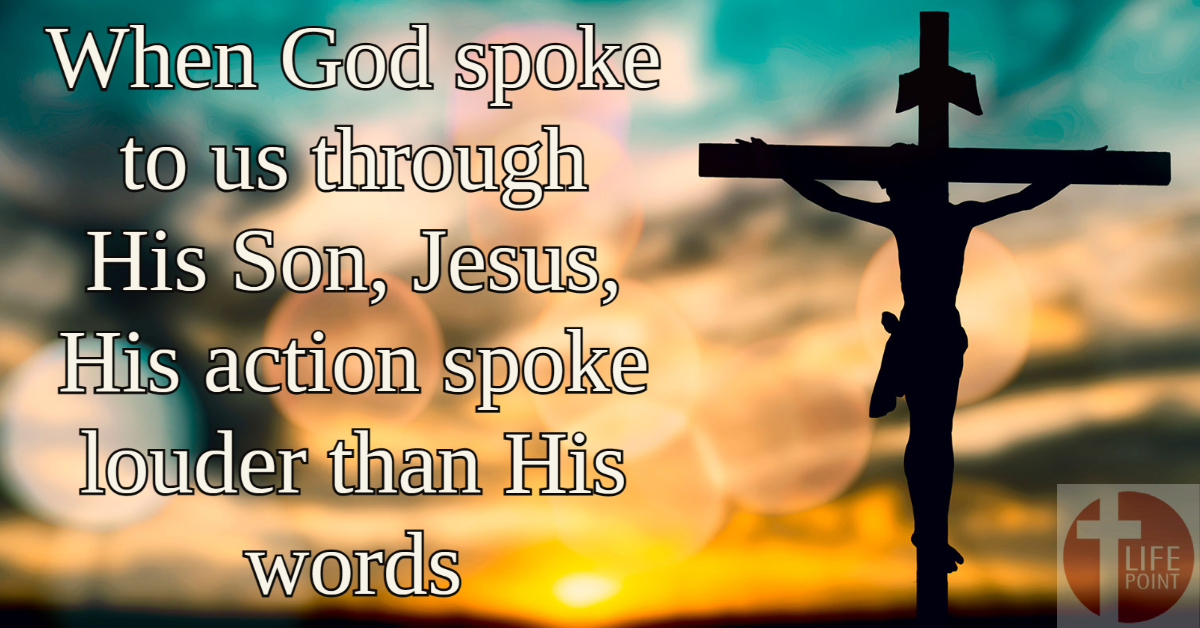
When God presented Himself to all mankind through Jesus Christ, man rejected Him and crucified Him.
The idea that man would simply accept God if He were to appear is a false assumption. Adam saw God, and rejected Him. Israel saw God, and rejected Him. The people of Jesus’ day saw Him, and crucified Him.
And the Bible says that when Christ returns, the armies of the world will gather to battle against Him.
God has appeared. He has spoken to us. The question is, do you accept Him, or reject Him?
As Jesus prayed the High Priestly Prayer in John 17, his time with the disciples was winding down. There in the upper room, Jesus and the disciples had just observed the Passover, and Christ had just instituted the Lord’s Supper. Both of those observances symbolized what He was about to do.
The Passover was a celebration of God leading the children of Israel out of Egypt by delivering them from the curse of the death angel and by leading them through the Red Sea. To commemorate this event, the Israelites were commanded by scripture to sacrifice a yearling lamb, without spot or blemish, to sweep all leaven out of the home, and to eat unleavened bread and drink wine (but not in a way to get drunk).
In scripture, Egypt is a symbol of the bondage of sin. The Lamb symbolizes a sacrifice made to God to atone for sin. The blood pays the penalty for sin. The Passover celebration pictured Christ, that sacrificial Lamb that took away the sins of the world, and by so doing, led His people out of the bondage of sin.
The unleavened bread given by the Lord as He instituted the Lord’s Supper symbolized His body, and the wine symbolized the blood that redeemed us from sin. This was about to be fulfilled by Christ as He went to the cross.
This truly was a powerful moment in the life of Christ, the lives of His disciples, and truly one of the most powerful moments for all human history. The symbols of our redemption intersecting with our moment of redemption, coupled with the imminent separation of Christ from His beloved disciples, drove our Lord to prayer, and thus we have recorded in the Gospel of John the High Priestly Prayer of Christ.
In John 17:17-19, Jesus prays for God to sanctify His disciples through truth, noting that God’s word is truth, and declares that He is sending the disciples into the world. From this, we learn about the sanctification of the disciples of Christ, the mission of the disciples of Christ, and the sanctification of Christ Himself.
In John 17:17, Jesus prayed, “Sanctify them through thy truth, thy word is truth.”
The word “sanctify” was translated from the Greek hagiason, which in this case means to purify internally by the reformation of the soul.
In this prayer, Jesus was praying that God would transform the disciples from the inside out through His truth, which is written in His word, the Bible. Indeed, the Bible has transformative power, especially when one completely grasps the central message of the scriptures.
The Gospel, how Jesus died for our sins, according to the scriptures, was buried, and rose again the third day is the central theme of the Bible. Scripture fills out this message by introducing us to God through the creation in Genesis 1, demonstrating Him as the source of our lives in Genesis 2, depicting His formulation of our redemption in the immediate aftermath of our sin in Genesis 3:15, teaching that He demands sacrifice by faith and not empty works in Genesis 4, showing His gracious rescue of His people in Genesis 6-8, His ultimate sacrifice in the story of Abraham and Isaac, His redemption of His people from the bondage of sin in Exodus through Deuteronomy, and His provision for the faith-filled life in the book of Joshua.
Psalms declares His glory. Song of Solomon declares His passion. Isaiah declares His salvation. The four Gospels the events of the life of Christ that purchased our redemption, and Revelation foretells God’s final victory and our final deliverance.
These scriptures depict a God who gave us life so that we could have fellowship with Him, and Him companionship with us. Instead, we rejected Him and tried to overthrow His presence from our lives. Instead of accepting this rejection and allowing us to die the death that comes from cutting ourselves off from the source of life, He (through Christ) died that death on our behalf so we could be reconciled, endowed with eternal life, and reunited with Him in His Kingdom.
The deeper we understand this truth, the deeper we understand the Gospel, the more our souls are transformed into the people God intended on us being. The more fully we understand the Gospel, the more sanctified we are.
After praying for our sanctification, Christ then told why He wanted us sanctified.
Jesus told the Father that, as He was sent into the world, He was sending His disciples into the world.
In Matthew 28:19-20, Mark 16:15 and Acts 1:8, we find that Christ sent His disciples into the world to preach and bear witness of the Gospel. Like His disciples, we are called to go into all the world preaching the Gospel to all who will listen, and baptizing those who believe, following up with good doctrinal teaching.
That is the reason we live as followers of Christ, and the reason our church exists.
Finally, Christ said that He sanctified Himself so that the disciples could be sanctified. In this sense, Christ was set apart, consecrated, and holy, as He prepared to go to the cross to redeem us.
These few verses in the larger High Priestly Prayer of Christ should remind us of the transformation God has worked in our lives, and motivate us to carry His Gospel to a lost and dying world.
As Jesus prayed in John 17:14, He made a profound statement. He said, “I have given them thy word; and the world hath hated them, because they are not of the world, even as I am not of the world.”
This statement proclaims how Jesus Christ transformed His disciples by giving them God’s word. Because they were transformed, they were no longer of the world, meaning they no longer held the world’s mindset. Thus, the world hated them.
Now when Jesus said that He gave them God’s word, He didn’t mean that He gave them the scriptures. The disciples had known the scriptures from the time they were children. Starting at the age of five, they would have begun attending school, where they would spend several hours per day memorizing the Old Testament.
The Old Testament scriptures were so familiar to the disciples, that Jesus could say things like, “You have heard it said, (quotes Old Testament scripture),” and the disciples would know the scripture and where to find it. You find the same phenomenon with the Apostle Paul, who would write things like, “As it is written…” before quoting Old Testament scripture, with the expectation that the reader would know the verse.
However, just because one knows what the scripture says does not mean that they know the Word. Often it is that men know the scripture without knowing the heart of God. They know the verses without knowing the God Who inspired them. They know the words without knowing what they actually teach.
Scripture without the Lord is dead. Such was the case for the Pharisees and the Sadducees of Jesus’ day. They knew the entire Old Testament word for word, but they didn’t know God. They didn’t know the Gospel. They didn’t understand God’s master plan, which is our redemption and reconciliation to Him.
Thus, to the Pharisees and Sadducees, the Old Testament became an endless list of proclamations, rules, laws, ceremonies, commandments, and ordinances. Knowing these scriptures meant endless word studies, explorations of word definitions, and debating whether the words actually meant what they said.
This impacted the way the scriptures were taught as the disciples were growing up. So, when Jesus said, “I have given them thy word,” He was saying that He completed the word they knew by giving them the Living Word, Himself.
He accomplished this by speaking past the noise of doctrinal debates by going to the heart of what the scriptures addressed. While the Pharisees and Sadducees quoted the commandment, “Thou shalt not commit adultery,” before debating what the definition of “adultery” was, Jesus said, “If you look upon a woman to lust after her, you have committed adultery in your heart.”
In that teaching, Jesus pointed out that the sin in your heart is what separates you from God.
Many people parse words from the scriptures to delude themselves into thinking that they haven’t sinned. They redefine terms, they make excuses or find exceptions. However, when we apply the teachings of Christ to the words of the Law, we find not only are we all sinners, but we still have sin in our hearts.
It’s a sentiment the Apostle Paul knew all too well when He wrote, “But I see another law in my members, warring against the law of my mind, and bringing me into captivity to the law of sin which is in my members. 24 O wretched man that I am! who shall deliver me from the body of this death? 25 I thank God through Jesus Christ our Lord. So then with the mind I myself serve the law of God; but with the flesh the law of sin.”
In Romans 7, Paul related how he struggled with sin, not doing the things he knew he should, while doing the things he knew he shouldn’t. It came to the point that even when he did the right things, he did those things with sin in his heart. It all came to the conclusion of Paul confessing his wretchedness and proclaiming his faith that Christ would redeem him from his brokenness.
Paul had this keen awareness of his broken condition because he not only knew the scriptures, but he knew the God behind the scriptures. Thus, in Galatians 3:24, he wrote that the “law is our schoolmaster to bring us unto Christ, that we might be justified by faith.”
As we continue to hold ourselves up to the light of the scriptures and the sinless perfection of Christ, we continually see our need for his grace and forgiveness. Thus, we find ourselves continually trusting in His forgiveness, and as we do that, we find ourselves being transformed by the scriptures to the point that we become more aligned with the values, character, and mission of Christ.
When that happens, we are no longer of the world, as Christ said. And when we are no longer of the world, we no longer have its values and mindset, it rejects us and we become its enemy.
We should not fear this, however, as Christ went on to pray that God would not take us out of the world, but that He would protect us from the evil one.
Christ wants us to be in the world so we can lead others to salvation. However, He wants us to be protected from being overcome by the world, absorbed by the world, or destroyed by the evil one. Knowing that this was Jesus’ prayer for us, and that the Father answers Jesus’ prayers, this should give us confidence.
So, spend time in the word, get to know the Lord through the word, and let that transform you. Then, boldly carry that word to others.
What if you knew, without doubt, that this was your last day to live. How would you spend your time? How would you live? How would you feel?
As Jesus prayed the High Priestly Prayer of John 17, He knew He was in His final hours. In a short amount of time, He and the disciples would retire to the garden on the Mount of Olives, and He would be arrested, stand trial, and be executed by crucifixion.
For our Lord, this death would actually accomplish His divine plan. Through His betrayal and death, Christ would bear the wrath of God for man’s sin, clear us of our guilt, and rise again, conquering death and winning us eternal life.
You see, God is the master conductor, who can make the symphony sound magnificent regardless of whether the members follow the sheet music. If the woodwinds get off tune, God can adjust the brass section to off-set their error and keep the symphony sounding amazing. If the brass lose time, God can adjust the percussion section.
Moreover, when man rebels against God, God not only corrects the sin and redeems man from the condemnation and destruction that follows, but He also has a way of using man’s misdeeds to further His cause. That’s one reason why Romans 8:28 says that “all things work together for good to them who love God, to them who are the called according to His purpose.”
So there Jesus is, in the upper room, with His disciples, having just observed the Passover and the first Communion, praying for them, as He prepared to go to the cross to redeem man from sin.
In His prayer, the Lord mentions that He will be leaving the world and going to the Father, so He prays that the Father will keep the disciples by His name, so that they will be one as Christ and the Father are one.
Jesus prayed that God would keep the disciples through His name. In this, we learn that we are not only saved by the authority of God, we are kept by the authority of God. Therefore, there is no danger of us losing our salvation.
Then, Christ prayed that we would be unified. That unity comes under God’s authority, and it comes from the Gospel. For a more in-depth look at John 17:11-13, see our pastor’s message posted above.
The most glorious, victorious moment would be when Christ paid for our sins on the cross and then rose from the grave, conquering death.
But, what was the happiest moment in history?
To answer that question, what is your happiest memory, excluding your salvation?
Ask this question to the general public, and you will find that most people’s happiest memories involve their families and loved ones. Such memories involve weddings, the birth of children, family reunions, Christmas celebrations with the family, or just the memory of how you used to spend time together.
Our best memories involve the ones we love, and those times are often the happiest times of our lives.
With that in mind, what was the happiest memory from human history?
Genesis 2:15-20 records how God spent personal time with Adam, having placed him in the Garden of Eden to keep and dress it, and creating animals for Adam to name. Genesis 3:8 records how Adam and Eve heard the voice of the LORD walking in the garden in the cool of the day, which gives you the idea that those walks were common, if not daily.
Reading between the lines of Genesis 2-3, you get the idea that life was good. God and man dwelt together, spent time together, created things together, and even dreamed together. Before the fall of man, there was no sin in the world, no illness, no problems. Life was just good.
For us, this sounds like a dream! Obviously, this was the happiest time in human history. However, when it comes to the happiest time in God’s memory, this would also be it.
God created man for that fellowship, a fellowship that came from a gratitude and a recognition of God’s blessing, but by man’s choice (hence the tree in the garden).
When man sinned in the garden, that fellowship was broken, death entered in, and the problem filled life we know today emerged. God was no longer physically present, and could no longer dwell among His people. Paradise truly was lost.
However, God loved us so much that He refused to let the story end there. Though man ended the relationship by taking a tangible step to remove God from his life, God undertook a centuries-long project to reconcile with man, and to redeem His creation so that He could once again dwell with His people.
It’s God’s desire to live with His people that motivated Him to order the construction of the Old Testament Tabernacle. Situated in the middle of the camp of the Israelites as they lived in the wilderness in Exodus-Deuteronomy, God’s presence filled the tent, and thus He literally dwelt in the midst of His people.
When the Lord became flesh and dwelt among us (John 1:14), God once again was able to dwell among His people, this time in a more personal sense than when He dwelt in the Tabernacle.
In the four Gospels (Matthew, Mark, Luke and John), we see the Lord’s love for His disciples, His compassion for people, and His frustration at the impact their lostness had on them. In John 17, we find Jesus in prayer in the hours prior to His crucifixion. In that prayer, we can see the heartbreak He experienced, not over His own death, but His pending separation from His disciples.
Having only lived His biggest dream for a few years, the Lord was about to undertake the redemption of all mankind so that He can once again live with us.
Once our redemption was completed on the cross, Jesus continued to advocate for us in Heaven. To this day, that advocacy continues, along with His ministry to us through the Holy Spirit, and His reaching out to us with the Gospel through His ministers on this earth.
All of this is building to the day when the Lord will return, and we will be reunited with Him forever, and that day will come when the last man on earth to accept the Gospel does so.
God’s love for us is so profound, that He sacrificed Himself, giving His only begotten Son for us, so that we can be reunited with Him upon our belief. There is no higher love than that.
And the center of this love story is our Lord, but the object of that love us you… so you best believe in love stories, you’re in one.
As creation and Christianity are debated between believers and skeptics, two questions often arise. The first is why God put the tree of knowledge of good and evil in the garden, and the second is why eating of that tree carried the death penalty.
In the below-posted video, Pastor Leland Acker makes the point that to fully give Adam and Eve life, they had to have the choice, the free-will to decide whether to follow God or reject Him.
When God formed man from the dust of the ground, and man became a living soul, man was gifted with the highest form of life. Far beyond existing, man was given self-awareness, consciousness, the ability to reason, to create, to problem-solve, to dream, and to cultivate. God, having created man in His image, bestowed upon man many of His own divine attributes.
Creating man to be a living soul, God wanted him to have the fulness of life. In order for man to be able to reason, create, solve and dream, man would also have to be given the choice of whether to trust and obey the Lord. God so wanted us to have the fulness of life, God gave us the choice.
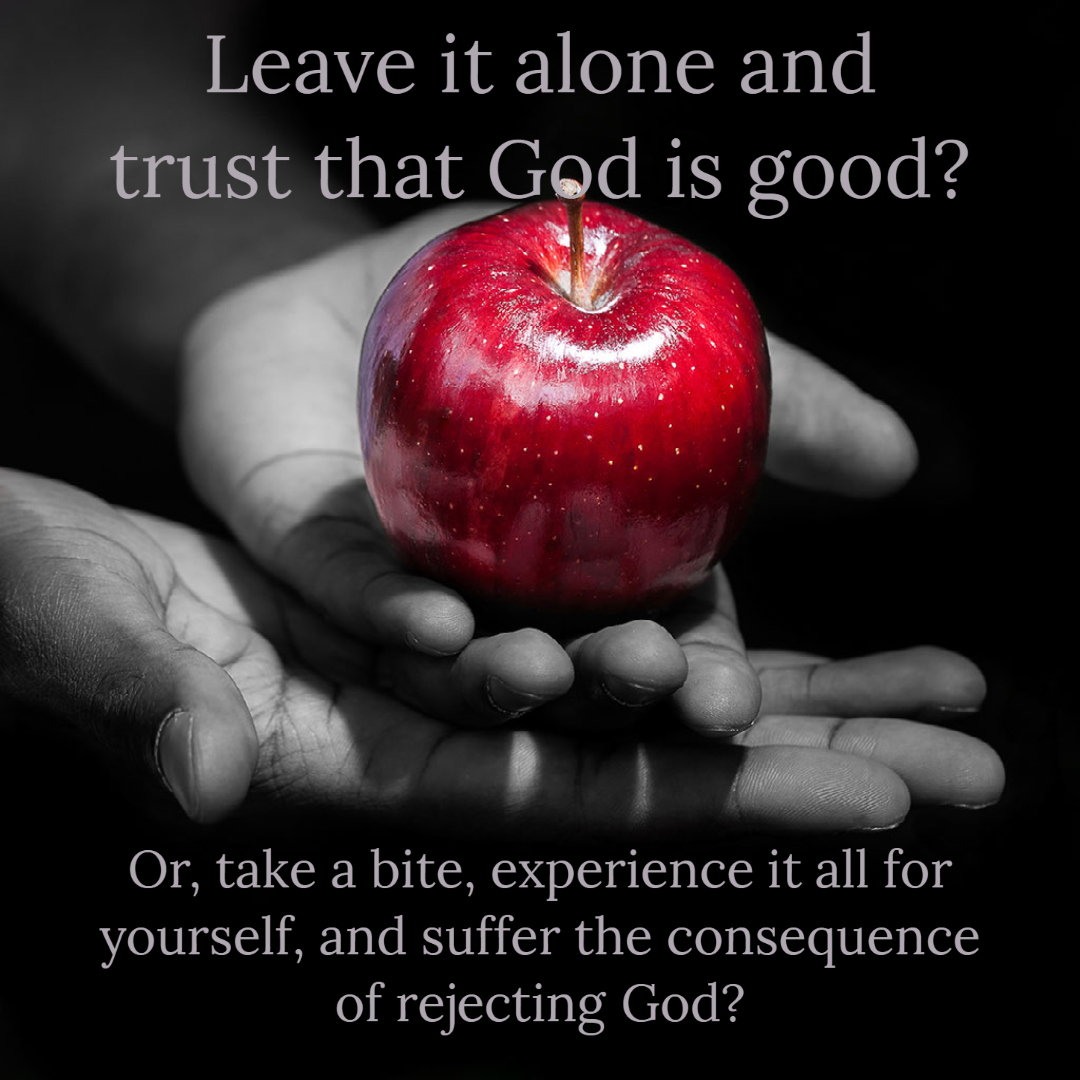
So, to create the opportunity for that choice, God placed the tree of knowledge of good and evil in the midst of the garden of Eden. While one may wonder why knowledge would be a bad thing, keep in mind that this knowledge is an experiential knowledge. By eating the fruit, man would not be suddenly indwelt with endless information, rather he would come to learn good and evil by experiencing both. This knowledge would be gained apart from God, without His help and leadership.
Pursuing knowledge in this way would amount to a complete rejection of God.
So, man had a choice. Trust that God is good and live forever in His presence, or doubt God’s goodness, overthrow His presence in man’s life, and strike out on his own. The former carried with it the promise of eternal blessing. The latter carried a risk of death and eternal judgment.
The serpent (a.k.a. Satan) tempted Adam and Eve with just that. In his speech to Eve in Genesis 3, Satan said, “You will not die. For God knows that in the day that you eat thereof, you will be as gods, knowing good and evil.”
Genesis 3:6 records the logic Adam and Eve used when deciding to eat the fruit. It says, “And when the woman saw that the tree was good for food, and that it was pleasant to the eyes, and a tree to be desired to make one wise, she took of the fruit thereof, and did eat, and gave also unto her husband with her; and he did eat.”
The logic was, “It’s good to eat, it looks good, and it will make us wise (as gods.)” They ate so they could experience the pleasures of everything, take power over their own lives, and eject God from the life that He gave them.
This was not a simple mistake or a poor food choice. It was an all-out rebellion against God. They cut themselves off from God, Who gave them life.
And when you cut yourself off from the source of life, you die.
This would be a good time to pause and reflect. God said, “In the day that you eat of this fruit, you will surely die.”
Satan said, “In the day that you eat this fruit, you will be as gods.”
The question arises, “Where are Adam and Eve today?” Based on the answer to that question, who was telling the truth, God? Or Satan?
If you’ve ever attended a funeral, you know the answer to that question. There is good news, however. In the same chapter, God offered a way of redemption. By promising that the seed of the woman would crush the head of the serpent, while suffering a death-blow Himself, God promised a savior, a redeemer, who would come and save His people from the death that comes as a result of sin.
That Savior was Jesus Christ, who both defeated Satan and suffered death upon the cross, and obtained final victory through the resurrection. Belief in this brings salvation and eternal life, and wins God’s favor.
The result of that salvation is being welcomed into His eternal Kingdom, where God will have restored life to what He intended on it being in the Garden.
So, with all that in mind, trust that God is good. Trust in Him, and place your faith in the death Jesus died on the cross for your forgiveness of sin. Then leave that sinful lifestyle behind and follow Him.
Do we truly realize what our Lord Jesus Christ has done for us?
Our Lord gave us life. Scripture teaches that Christ was the Word which was in the beginning with God, and was God. That all things (ourselves included) were created by Him, and without Him nothing was made that was made.
In Him was life, and the life was the light of men.
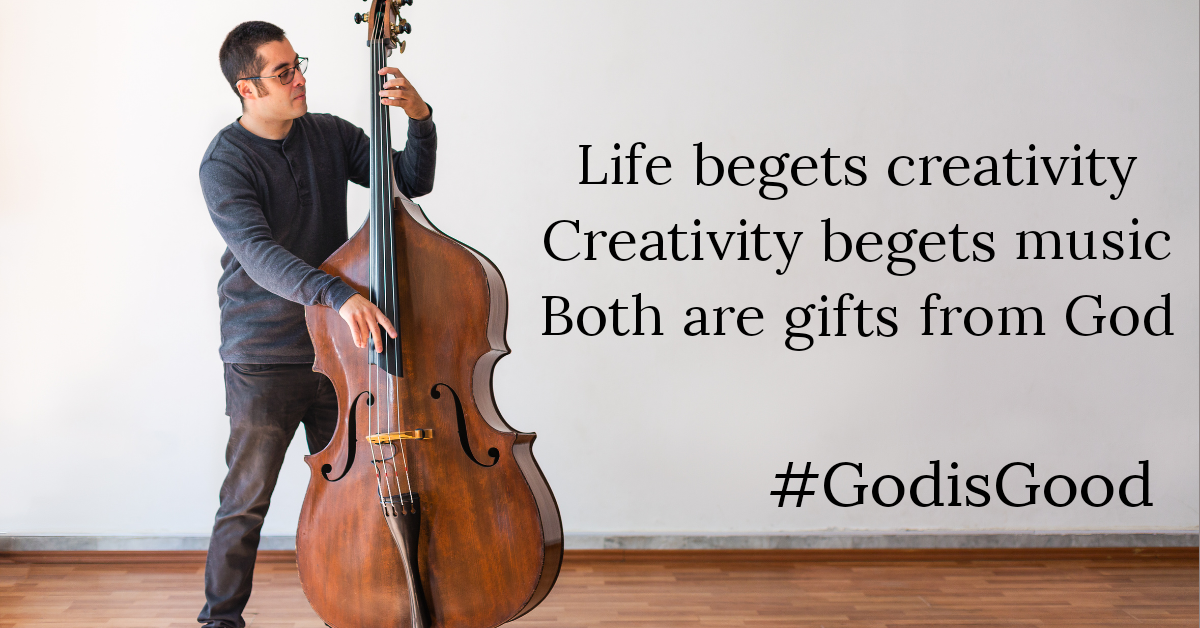
The Lord created man and gave him life, so that he became a living soul. Our consciousness, creativity, dreams, and problem-solving ability are all effects of this life that the Lord gave us.
And when man rebelled against God, not only through disobedience, but through an attempt to overthrow God’s power and authority through that disobedience, the Lord redeemed us from the death and condemnation that came as a result.
To do that, He became man, lived the life of a man, endured the same trials and tribulations we do on a daily basis, yet He did so without sin (Hebrews 4:15-16).
Scripture says He came into His own, and we didn’t receive Him, nor did we recognize Him. In fact, we rejected and betrayed Him, turned Him over to the Romans and had Him crucified.
That is the greatest sin ever perpetrated in the history of the world, the sin of rejecting Christ and nailing Him to the cross.
Yet, even in that, He endured the wrath of God on our behalf, so that we could be cleared of all guilt and could stand faultless before God. He even prayed, “Lord, forgive them for they know not what they do.”
Having paid for our sins on the cross, the Lord resurrected on the third day, conquering death and the grave, and later ascended to the right hand of the throne of God where He ever lives to make intercession for us. He maintains our salvation by continually putting our cause before the Father in Heaven.
So, in John 17:9-10, it makes perfect sense that Jesus would clarify to the Father that He is praying for us. He said, “I pray for them: I pray not for the world, but for them which thou hast given me; for they are thine. And all mine are thine, and thine are mine; and I am glorified in them.”
In that statement, Jesus said that He prays for us, that we are securely His, and that He finds glory in us.
Jesus prays for us. He earnestly pleads before the Father on our behalf, and He advocates for us. He stated that He prayed for “them,” and not the world. “Them” are His disciples, and not only His disciples, but all those who would believe based on their words. Therefore, since we have all become believers based on their words, then this prayer is for us as well.
And we know that Christ prays for us, because Hebrews 7:25 says that He “ever liveth to make intercession” for us. He intercedes, advocates for us. Advocacy… we don’t often associate that word with Christ, but it is truly what He does for us.
1 John 2:1-2 says “My little children, these things write I unto you, that ye sin not. And if any man sin, we have an advocate with the Father, Jesus Christ the righteous: And he is the propitiation for our sins: and not for ours only, but also for the sins of the whole world.”
John told us to sin not. That means to leave sin behind, to leave the sinful lifestyle behind, to leave “the life.”
However, if anyone sins, “we have an advocate with the Father, Jesus Christ the righteous.” He truly is our advocate.
His advocacy is one reason we are secure in our salvation, if we know Him as Savior.
Jesus said in John 17:9-10, “all mine are thine and thine are mine.” We belong to God, and in John 10, Jesus said, “no man is able to pluck them from my hand.” We have been passed from death to life, from condemnation to salvation, from guilt to innocence.
Then Jesus concludes this verse by saying, “and I am glorified in them.”
When Jesus said He was glorified in His disciples, it means His disciples bring him honor, renown, and cause Him to be well-known in a good day. This was something Jesus said had already happened. Simply by following Him, remaining faithful to Him even when all others walked away, and preaching His Kingdom, the disciples had already glorified Jesus.
When we remain faithful to the Lord, we glorify Him as well.
So, in light of this passage, knowing that Jesus prays for us, has secured our salvation, and is glorified in us, let us spend time in prayer, trusting in His forgiveness and redemption, and promoting His Gospel.
It’s not you, this world really is fallen, broken, and condemned.
The fallen nature of this world began when Adam and Eve ate the fruit of the tree of knowledge of good and evil. By doing so, they sought to expel God from the lives that He gave them. Thus, man not only began the process of dying, but the impact of sin entering the world affected everything. Suddenly, animals turned carnivorous and began hunting each other. Disease entered the world. The first murder happened, and Cain set out to establish a completely Godless society.
This sin led to brokenness, from Lamech marrying two wives in Genesis 4, to the world being full of violence in Genesis 6. Today, we see this brokenness in the form of a broken society, broken homes, and broken people. And this broken, fallen world stands condemned before God. Consider the words of Romans 3:10-19:
“As it is written, There is none righteous, no, not one: 11 There is none that understandeth, there is none that seeketh after God. 12 They are all gone out of the way, they are together become unprofitable; there is none that doeth good, no, not one. 13 Their throat is an open sepulchre; with their tongues they have used deceit; the poison of asps is under their lips: 14 Whose mouth is full of cursing and bitterness: 15 Their feet are swift to shed blood: 16 Destruction and misery are in their ways: 17 And the way of peace have they not known: 18 There is no fear of God before their eyes. 19 Now we know that what things soever the law saith, it saith to them who are under the law: that every mouth may be stopped, and all the world may become guilty before God.”
The entire world has fallen, is guilty before God, and will be condemned, unless they find His salvation through Jesus Christ His Son. Romans 3:23-26 goes on to say:
“For all have sinned, and come short of the glory of God; 24 Being justified freely by his grace through the redemption that is in Christ Jesus: 25 Whom God hath set forth to be a propitiation through faith in his blood, to declare his righteousness for the remission of sins that are past, through the forbearance of God; 26 To declare, I say, at this time his righteousness: that he might be just, and the justifier of him which believeth in Jesus.”
Sure, the world may be fallen, broken and condemned, but it doesn’t have to be. Redemption, healing and salvation are found through faith in Jesus Christ.
So, in His prayer in John 17, when Jesus said, “I have manifested thy name to the men which thou gavest me out of the world,” He was indicating that He was not only the manifestation of God on this earth, but through His Gospel God’s people were rescued from this world. Check out the above-posted video of Pastor Leland Acker bringing a powerful message of redemption and grace.
One of the most frustrating characters of The Chronicles of Narnia: The Lion, The Witch and the Wardrobe was Edmund, the younger brother who suffered the stereotypical middle-child syndrome. Lured into Narnia to play with his younger sister, he denied its existence to avoid being associated with her immaturity when confronted by their older siblings.
Eager to obtain special treatment, he quickly abandons his siblings in a new, mystical world to seek the favor of the witch, who had previously fed him Turkish Delight. By the time Edmund reaches the following scene, a full-on war has erupted in his heart.
Edmund realizes that, at the witch’s side, he is on the wrong side of the coming battle, but his desire for self-preservation and the hope for possible future favors prevents him from undertaking his own escape. Ultimately, he has to be rescued.
Most characters who frustrate us onscreen do so because we see a little of ourselves in them. Edmund frustrates us because we see his struggle as our struggle. Trying to fulfill our own desires, we find ourselves trapped on the wrong side of the spiritual battle front. Our desire to be on Aslan’s side while simultaneously receiving Turkish Delight from the witch has rendered us captive, needing the Lord to rescue us by His divine grace.
This battle inflicts needless pain and anxiety upon us, as the struggle could easily be avoided simply by following the words of Christ in Matthew 6:24, “No man can serve two masters: for either he will hate the one, and love the other; or else he will hold to the one, and despise the other. Ye cannot serve God and mammon.”
Just as Edmund could have avoided the whole struggle by choosing loyalty to his siblings, the creatures helping them along, and pursuing the presence of the obviously good Aslan, Edmund tried to have it both ways. Such is the same mistake we make.
Most Christians want to serve God, but to a degree, we also want to enjoy the pleasures of this world. We envision a world where we can somehow live for ourselves while at the same time living for God. Jesus said in Matthew 6:24 that this is impossible. We will either serve God, or we will serve our own self-interests, seeking only to enrich ourselves with the pleasures of this world (serving mammon).
Any choice to try to accomplish both is actually a choice to serve the latter, with the added consequence of self-deception.
Therefore it is important to heed the words of Joshua as he closed out his service to the nation of Israel, “Choose this day whom you will serve… as for me and my house, we will serve the Lord.” This decision will lead to a powerful commitment, one Moses made which was chronicled in Hebrews 11:24-26, “By faith Moses, when he was come to years, refused to be called the son of Pharaoh’s daughter; Choosing rather to suffer affliction with the people of God, than to enjoy the pleasures of sin for a season; Esteeming the reproach of Christ greater riches than the treasures in Egypt: for he had respect unto the recompence of the reward.”
What sinks most Christians is the desire to enjoy the things of the world while having God in their corner. The way of the narrow road that Jesus described is the commitment to serve God first in all things, and trust Him to bless you as a result. To commit to serve God first, and to live for Him and not self, we must constantly ask ourselves two questions. (1) To what have I committed myself today? and (2) Why?
As we continually ask ourselves those questions, while continuously committing ourselves to serving God, we will notice a shift in our priorities, and a shift in our motivations, to the point where we become the people God intended on us being, and we will see the blessings thereof.
As of today, the riots and protests have calmed down. There are no images of burning cities on cable news, there has been no high profile atrocity in recent weeks, and it’s been a few days since the last act of mass violence against the innocent. Yet, the underlying divide that fuels that unrest remains.
Our nation is deeply divided. Deep divisions in philosophy, religion, world view, and visions for the future have always existed. America was built upon a foundation of faultlines, which, at times, have resulted in political earthquakes of epic proportions.
We’ve seen those faultlines erupt in recent years, and our society is exhausted.
The challenge for our nation is how to heal those faultlines. How can you bring the nation together under one unifying concept when our views, desires and convictions are so different?
In times past, we sought to persuade each other to join our side. When that didn’t work, we learned to live together while ignoring or downplaying our differences. This is why for decades, the ethic was to never discuss religion or politics.
However, in recent years, the ethic has arisen that silence is consent, and tolerating your opponents equates endorsing them. Endorsing them therefore equates endorsing evil. Therefore, we must stand and defeat our enemies whenever they surface.
And thus births the new American society, a society in which dissention is opposition and opposition is evil, therefore those of a different mindset are our enemies, and our enemies are to be defeated.
This is evident in the political sphere, where supporters of political opponents (not the candidates, but the supporters of those candidates) are branded as deplorable, cancers, communists, fascist, and whatever other dehumanizing term we can find.
In our political sphere, candidates run on platforms, not of a future aspiration of prosperity for the country, but on the eradication of the supporters of the opposing candidates. And instead of shunning that candidate and ending his political career, crowds celebrate and support him.
How can we survive if we continue down this road?
In the 1960s, our country was in a similar position, to the point that Lyndon B. Johnson declined to seek reelection in hopes of helping the country heal.
However, two voices emerged that brought the country healing. The first, being Dr. Martin Luther King, Jr. Dr. King’s creed of reconciliation, driven by the concept of love for one’s enemies, led a positive transformation in our nation. The second was the collective voice of Chuck Smith and Lonnie Free, who led a spiritual revival across the nation with the message of the Gospel.
Dr. King’s movement grew out of a belief articulated in a sermon he preached called, “Love Your Enemies.” In it, Dr. King discussed the concept of Agape love, how it was selfless, self-reflective, and how it had a redemptive quality that could reconcile enemies.
Smith and Free led a movement of faith in the Gospel of Jesus Christ. More than reconciliation over earthly differences, the Gospel preached by Smith and Free led people to true redemption, eternal life, and complete healing inside and out.
The same scriptures which have healed our nation before are just as true today as they ever were, and they are more needed today than ever.
“But I say unto you, Love your enemies, bless them that curse you, do good to them that hate you, and pray for them which despitefully use you, and persecute you;” Matthew 5:44
At one time, we were all enemies to God. Yet He loved us, and gave His Son to die for our sins so that we could be redeemed and reconciled to Him. Being reconciled to Him, we can be reconciled to each other, and find healing in our divisions.
And by emulating God as we love each other, we can not only find peace in our lives, but we can find healing altogether. Christ promises that this will be rewarded.
So today, as you watch the news and see the angry posts on social media, do not be overtaken by the flesh and the sin nature, and succumb to anger. Instead, remember your redemption, and the love God gave you, and love your enemies, praying for their redemption and healing, because it is out of brokenness in their own personal darkness that they rage.
As you do this, you contribute to our national healing. If enough of us do this, we will realize that healing as a society.







 The Point...